

The Quiet Weight of Stone: Designing with Permanence in Mind
⏱️ 6.5 min read
There are rooms that look finished, and there are rooms that feel grounded.
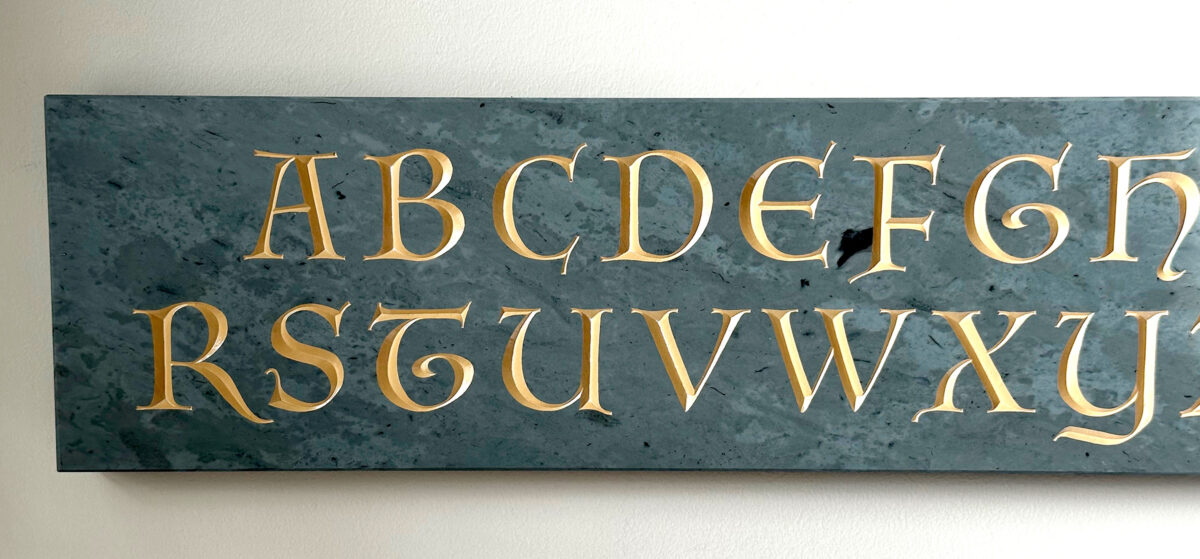
The difference is rarely found in decoration alone. It comes from material presence, proportion, texture, and the way light interacts with surfaces throughout the day.
As a stone carver and relief sculptor, I notice these things almost immediately when entering a space. I look at how natural light creates shadow across edges and textures. I notice where hard materials transition into softer ones. I pay attention to whether the room feels anchored… or if everything simply floats within it.
Most importantly, I look for intention.
“A finished space feels sculpted, not merely decorated.”
Natural stone has played that role for centuries. Not because it is fashionable, but because it possesses qualities that synthetic materials struggle to imitate: permanence, weight, texture, and geological depth. Stone slows a room down.
In contemporary interiors filled with smooth manufactured surfaces, fast materials, and digital precision, stone introduces something deeply physical. It asks to be experienced through touch as much as through sight.
That interaction changes depending on the finish and purpose of the piece.
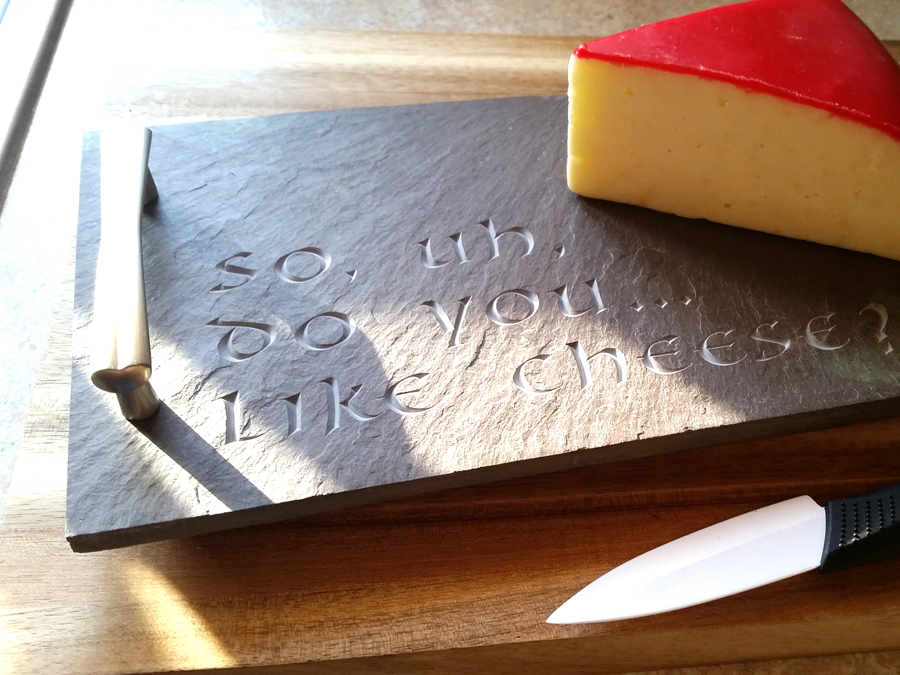
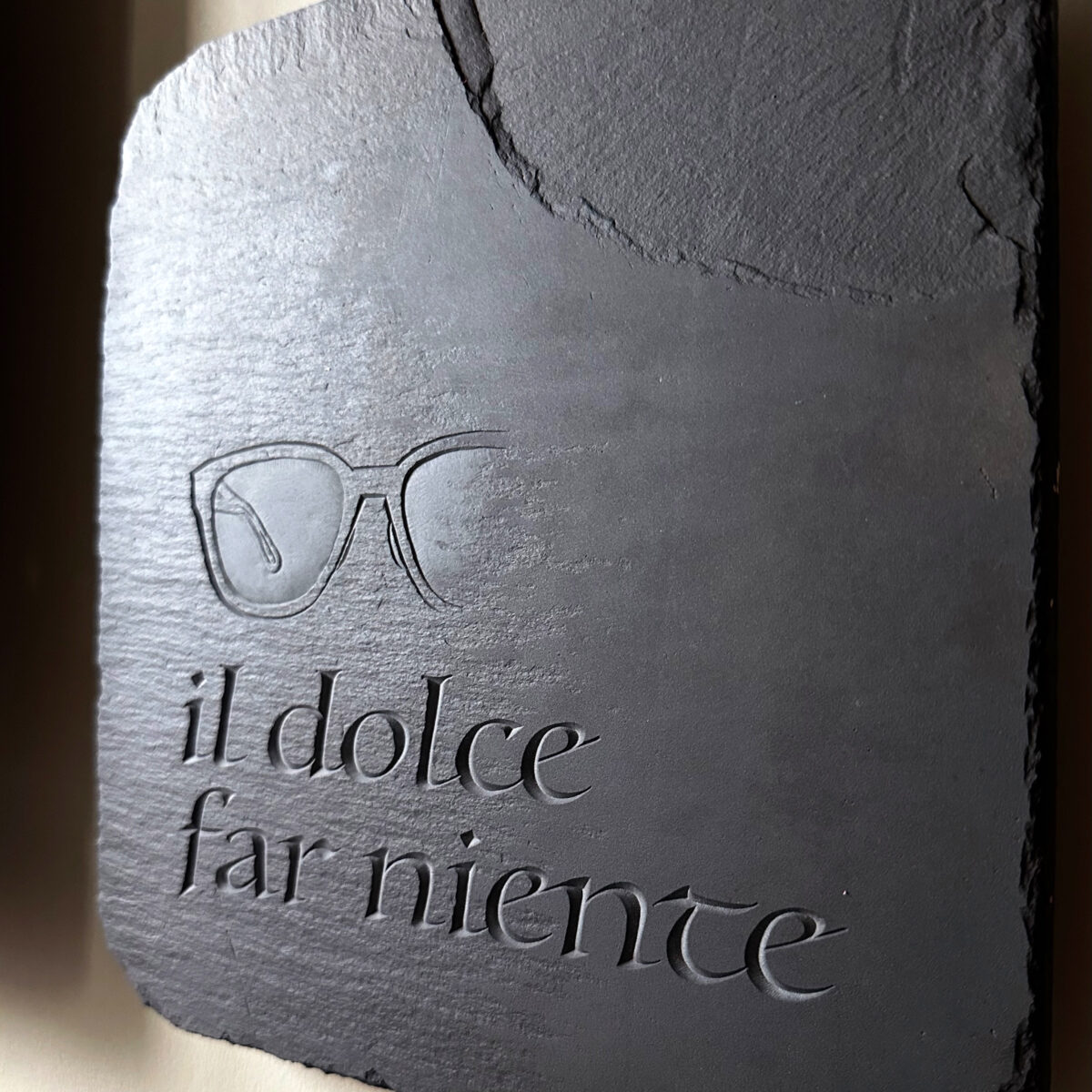
A polished stone surface reflects light softly and feels cool, controlled, almost architectural. A carved or textured surface behaves differently. It absorbs shadow. It reveals the movement of the hand. Tool marks invite closer inspection and create a tactile dialogue between the object and the viewer. This is especially true with carved inscriptions and relief work.
An inscription in stone is not simply read. It is traced. Felt. Experienced physically through depth, shadow, and texture.
“Stone communicates through light, shadow, and touch before words are ever understood.”
This is one reason stone naturally grounds a room visually.
Unlike lightweight decorative objects, stone carries an undeniable physical presence. It resists movement. It creates a gravitational center within a space. Whether used in a carved wall panel, fireplace surround, sculptural tray, or architectural detail, it introduces a sense of permanence that stabilizes the environment around it.
For interior designers and architects, that quality becomes extremely valuable. The most successful interiors rarely rely on a single material. They create balance through contrast: stone against wood, bronze against fabric, rough textures beside refined surfaces.
When these materials are balanced correctly, the room gains tension and harmony simultaneously.
When handled poorly, stone can overwhelm a space. A heavily veined marble placed in a visually busy room creates noise instead of focus. Likewise, a small sculptural object placed in a large open environment can disappear completely.
Scale, proportion, and negative space matter enormously.
“Stone needs room to breathe.”
That principle applies equally to architecture and smaller functional objects.
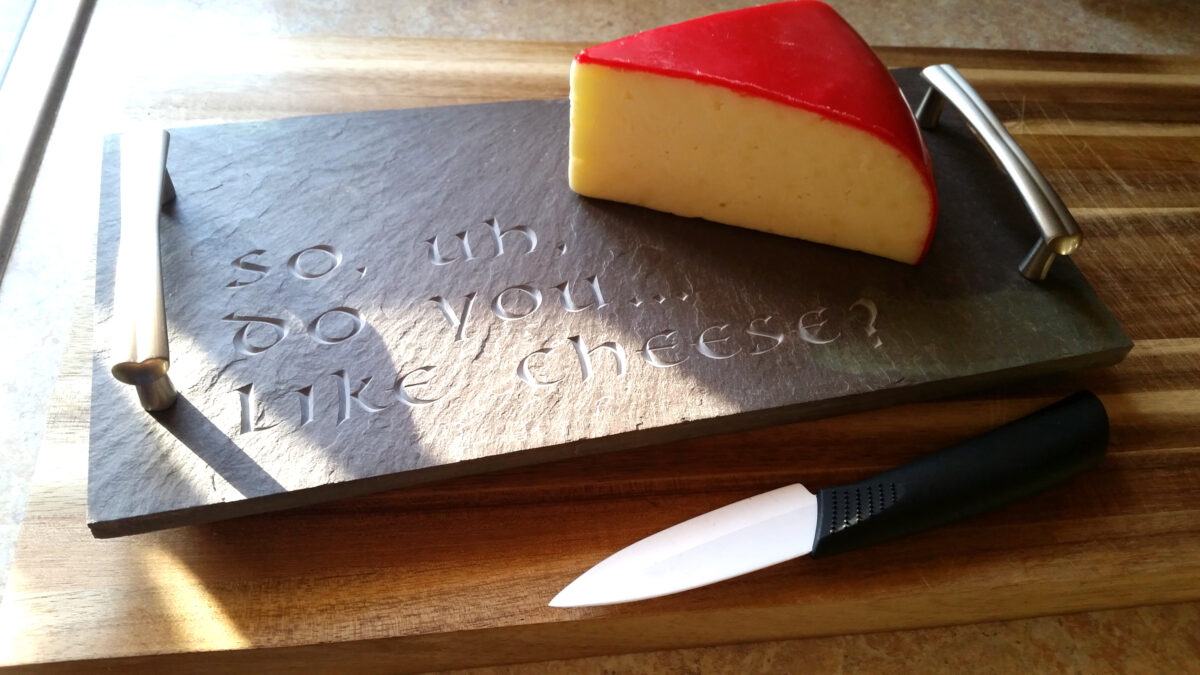
A stone tray, for example, can become far more than a serving object. Through material selection, carved texture, edge treatment, and proportion, it transforms into a quiet sculptural presence within daily life.
The same applies to carved slate tablets, monolithic pedestals, address stones, custom relief panels, or interior inscriptions. These objects function practically, but they also carry atmosphere. They become visual anchors inside the home. This is where craftsmanship begins to move beyond production and into meaning.
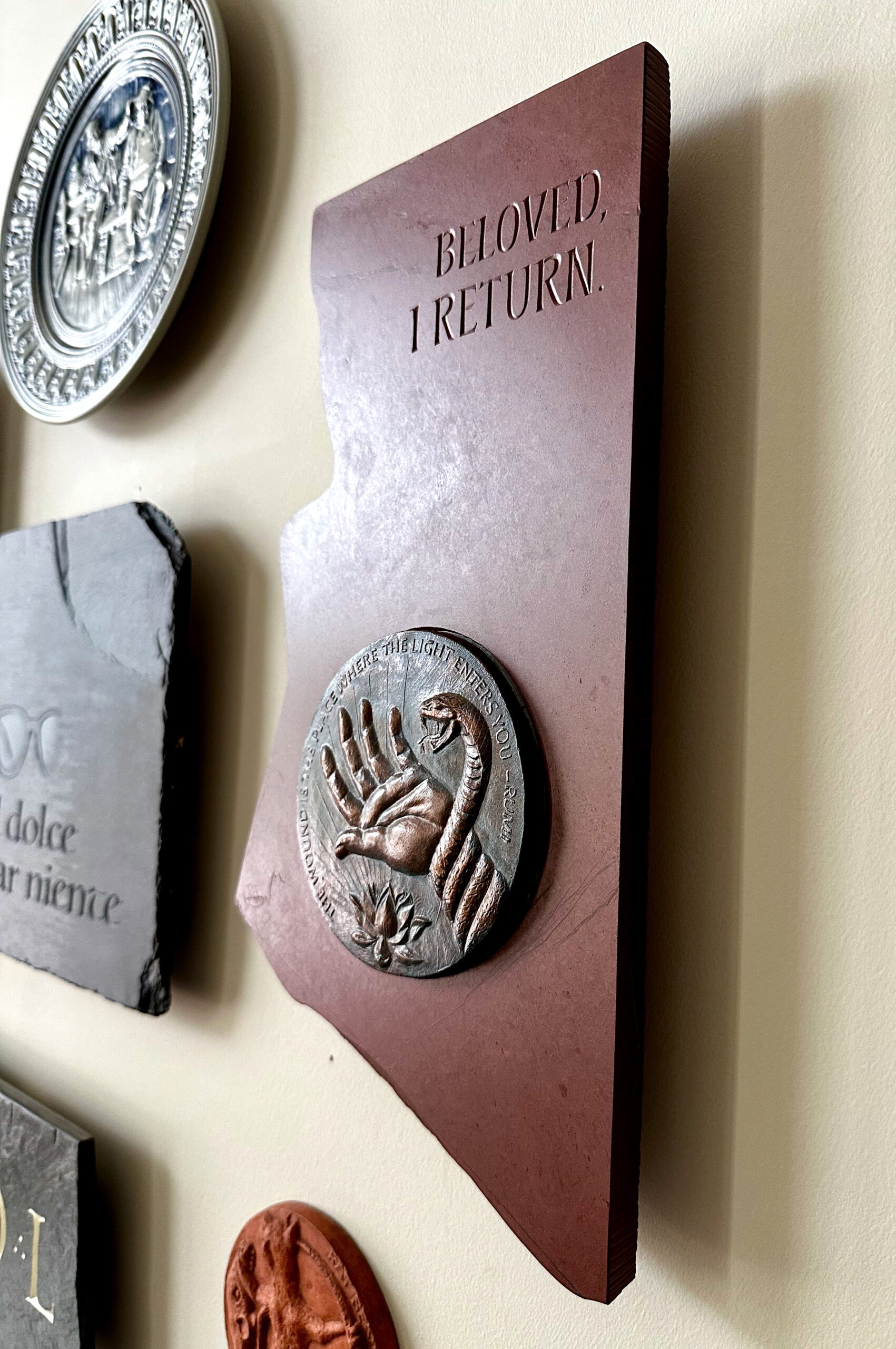
As someone who works in both stone and bronze, I often think about durability differently than most contemporary design conversations. Many modern materials are designed around replacement cycles. Stone and bronze exist outside that mentality. They age with dignity.
A carved limestone panel, a granite threshold, or a bronze relief does not become obsolete after a few seasons. In many cases, the passage of time improves the material itself through wear, patina, and interaction.
“True luxury is not trend. It is endurance.”
This perspective naturally attracts a certain kind of client.
Homeowners seeking deeply personal spaces. Architects looking for permanence within contemporary environments. Interior designers searching for tactile focal points. Restoration specialists preserving historical craftsmanship. Institutions interested in objects that communicate continuity across generations.
What they often share is a desire for authenticity. Not perfection in the manufactured sense, but material honesty. Something shaped intentionally by human hands. Something that reveals process rather than hiding it.
That philosophy also connects my smaller interior pieces to larger ceremonial and commemorative work.
Working on intimate carved objects sharpens precision, restraint, and surface sensitivity. Every subtle transition in texture or shadow matters at a smaller scale. Those lessons carry directly into larger bronze reliefs, memorial sculpture, and ceremonial commissions.
Whether I am carving a slate panel, sculpting a bronze medallion, or designing a ceremonial object, the underlying goal remains the same:
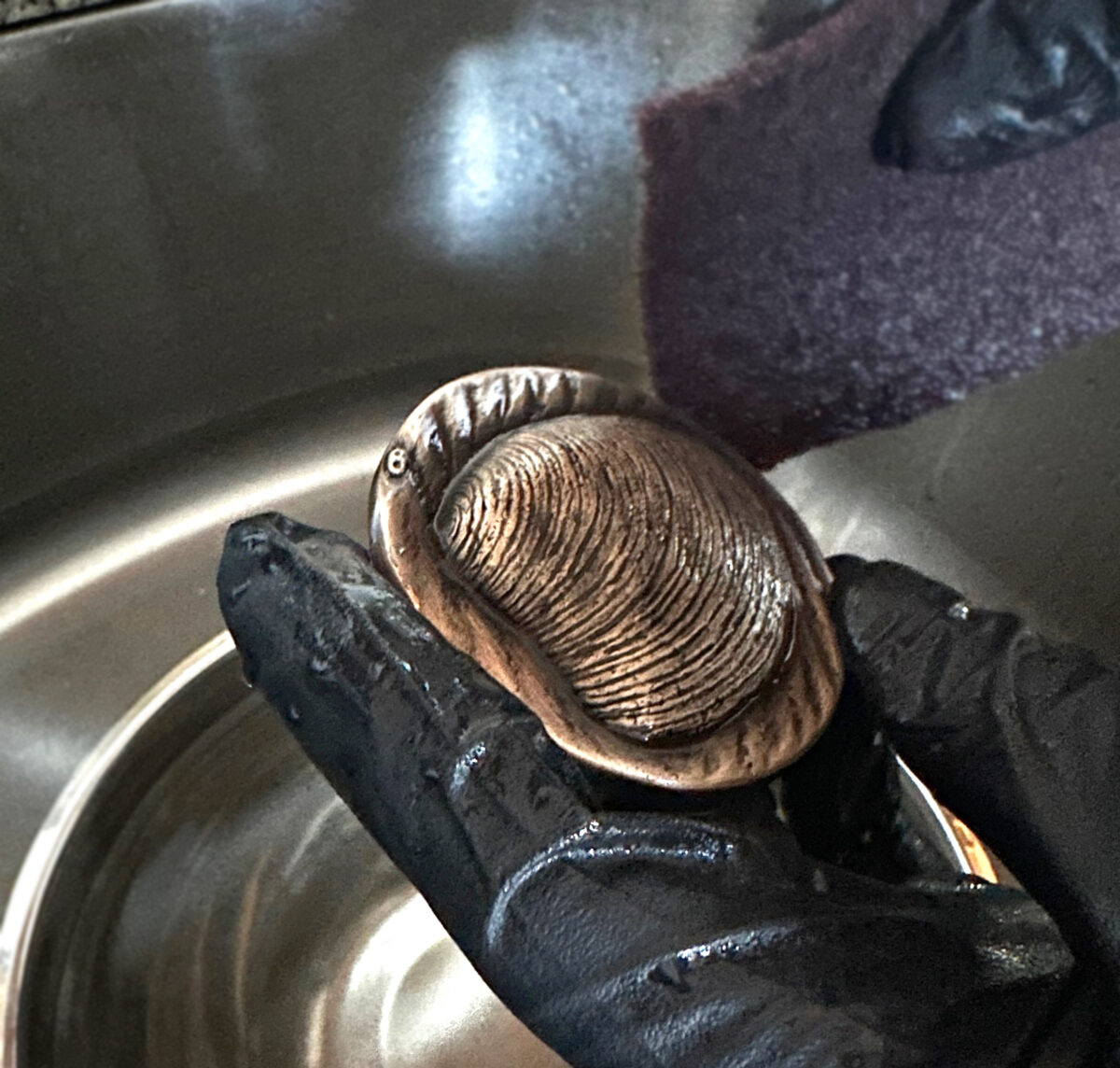
To create work that feels grounded in both material and meaning.
In a culture increasingly dominated by temporary objects and disposable surfaces, permanence still matters. Not because we reject modernity, but because spaces need anchors. People need tactile connection. Materials need memory. Stone and bronze remind us that certain things are worth building slowly.
And worth keeping for generations.