

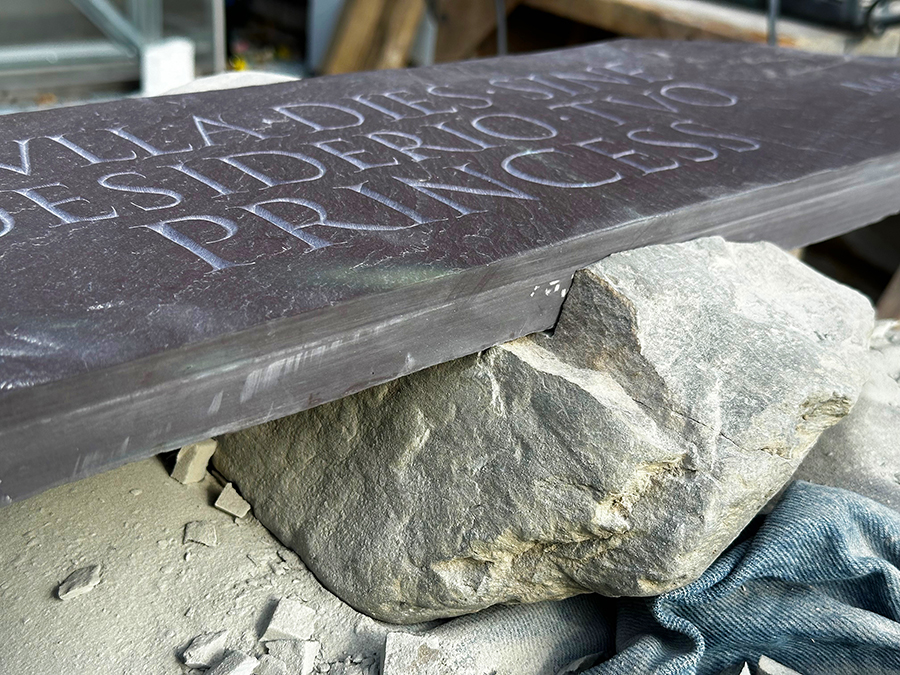
The Art of Finishing: Decisions Beyond Details
⏱️ 3 min read
When most people hear “finishing a piece of art” they immediately think of polishing details, whether in stone, clay, relief, or digital sculpting. But finishing is not just the last stage; it’s a continuous act of deciding what stays, what goes, and when to stop.
It’s guided as much by intuition as by skill, it’s a feeling more than a visual cue.
I remember in my earlier years obsessing over a small serif, aiming for the perfect stroke. Then I realized that the element had already given all it could. Completion wasn’t about my skill, but about what the design required. Dwelling too long in one section is unwise; completing the project with excellence is the goal. That moment, the recognition that a piece has reached its potential, is when finishing truly begins.
In reality, finishing it’s present from the very first mark.
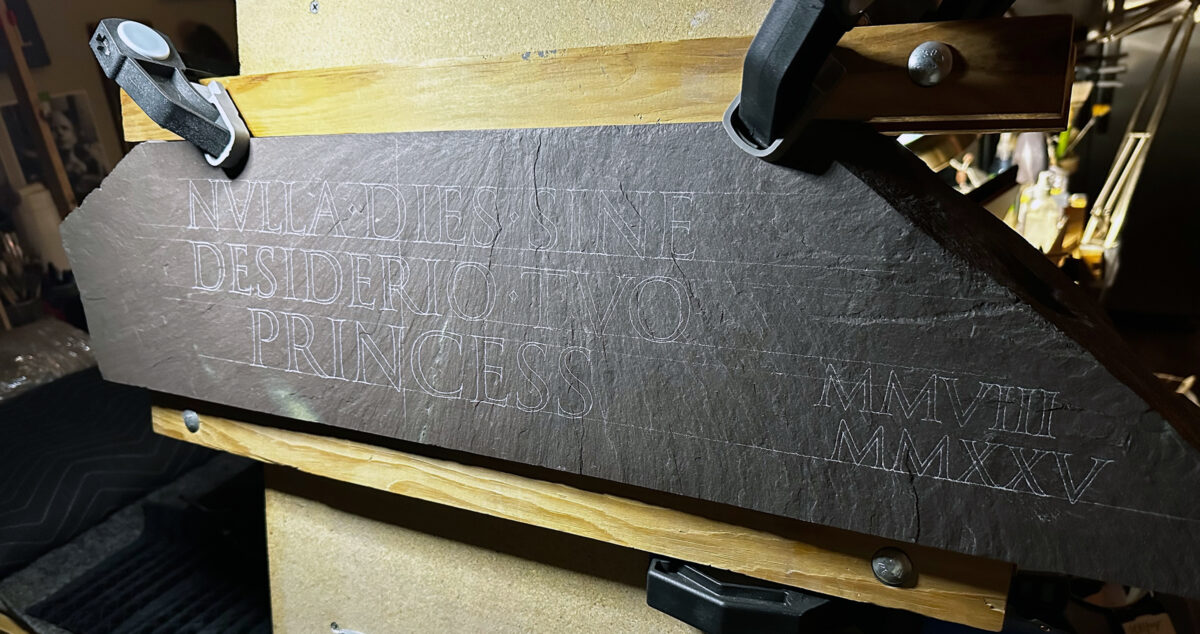
Finishing takes on a different rhythm depending on the medium. In stone, I feel it as my chisel moves through the surface. In clay, it emerges from the pressure of my fingers shaping the mass. In digital sculpting, it comes alive with each stroke of the stylus in ZBrush. Each medium demands its own approach to completion.
For example, on a slate memorial with multiple design elements, I divide the project into lean sections, tackling one at a time. This mirrors the Agile method used in the tech industry: completing sections sequentially ensures progress while allowing for collaboration, keeping the process agile and preventing stagnation in one area.
Knowing when to stop is essential. There are moments in every medium where I can sense:
“If I touch this more, I’ll ruin it.”
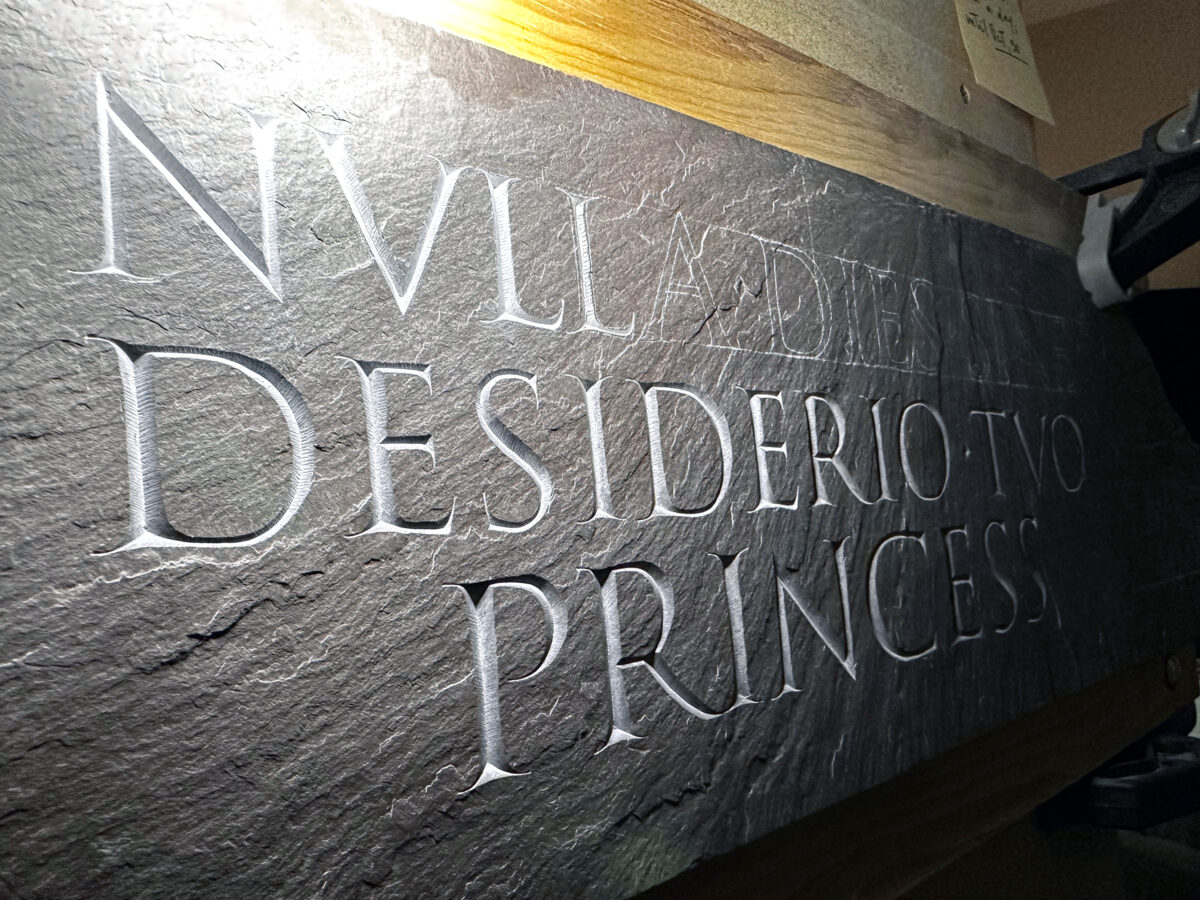
In digital sculpting, especially during the early stages of learning ZBrush, I’ve learned to respect these moments. Recognizing when a section is ready to move forward preserves both the material and the integrity of the work.
Finishing is guided by decision-making as much as by action.
Each stage, whether mineral paints, installation hardware, plaster molds, or patinas, requires choices that shape the outcome. I’ve overworked pieces many times, giving extra attention without realizing a stage had already reached its resolution. Learning when a step is complete allows the work to advance efficiently, keeping the process lean, agile, and focused, whether in stone, clay, or digital space.
A piece is truly finished when all stages of the process have been completed. Skill helps determine this, but intuition is essential. The “finishing stage” tells me when the material, stone, clay, or digital canvas, has reached its full potential.
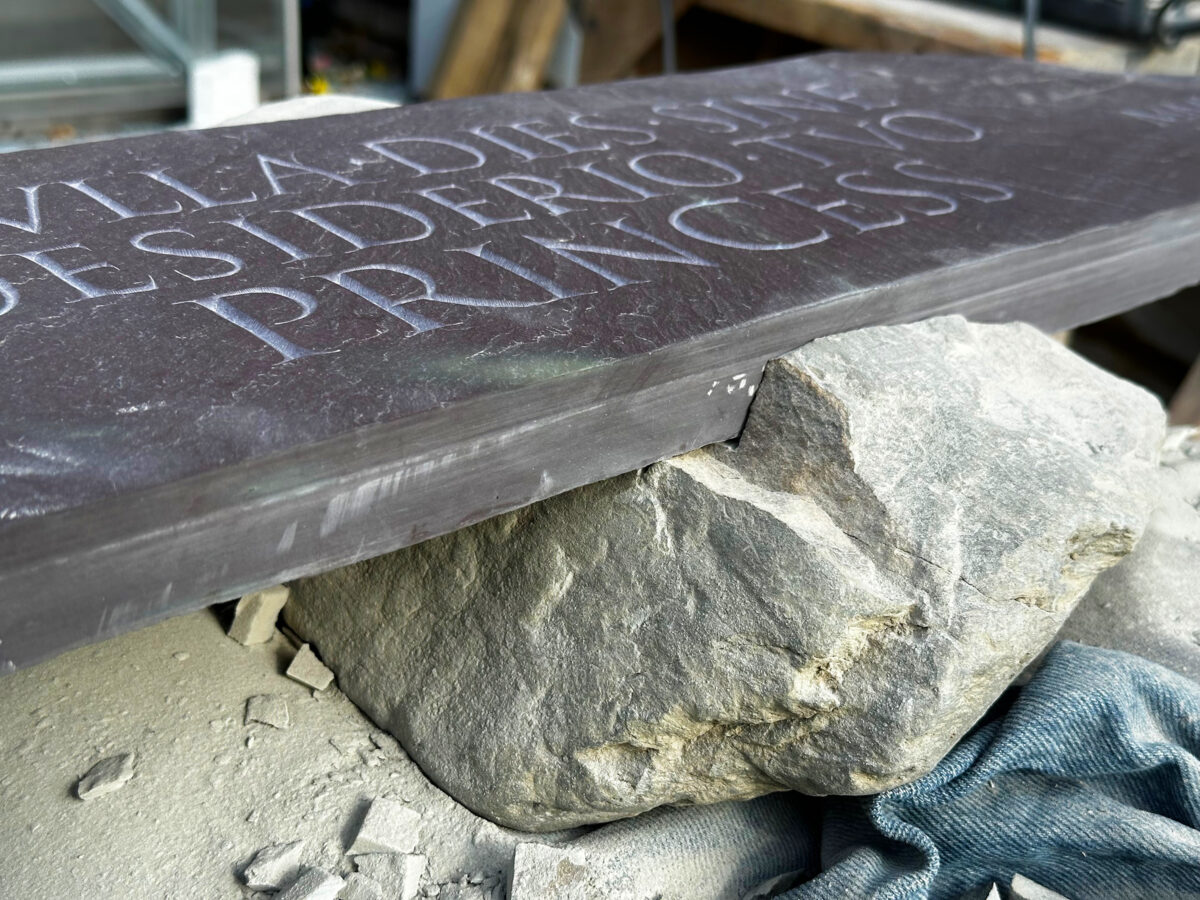
Restraint plays a central role. In natural cleft stone, it sets clear guidelines to prevent chipping. In clay, it dictates depth. In digital work, it prevents details from being lost during 3D printing. Restraint guides both process and outcome, creating space for the work to speak for itself.
Finishing feels like a tango dance: sometimes I lead, sometimes the piece does. Each decision, each choice of intervention or restraint, contributes to a rhythm between the maker and the material. Is not about details being finessed, it’s about the decisions I make throughout the process.
It is the dialogue between intention, medium, and intuition that defines when a piece is complete.